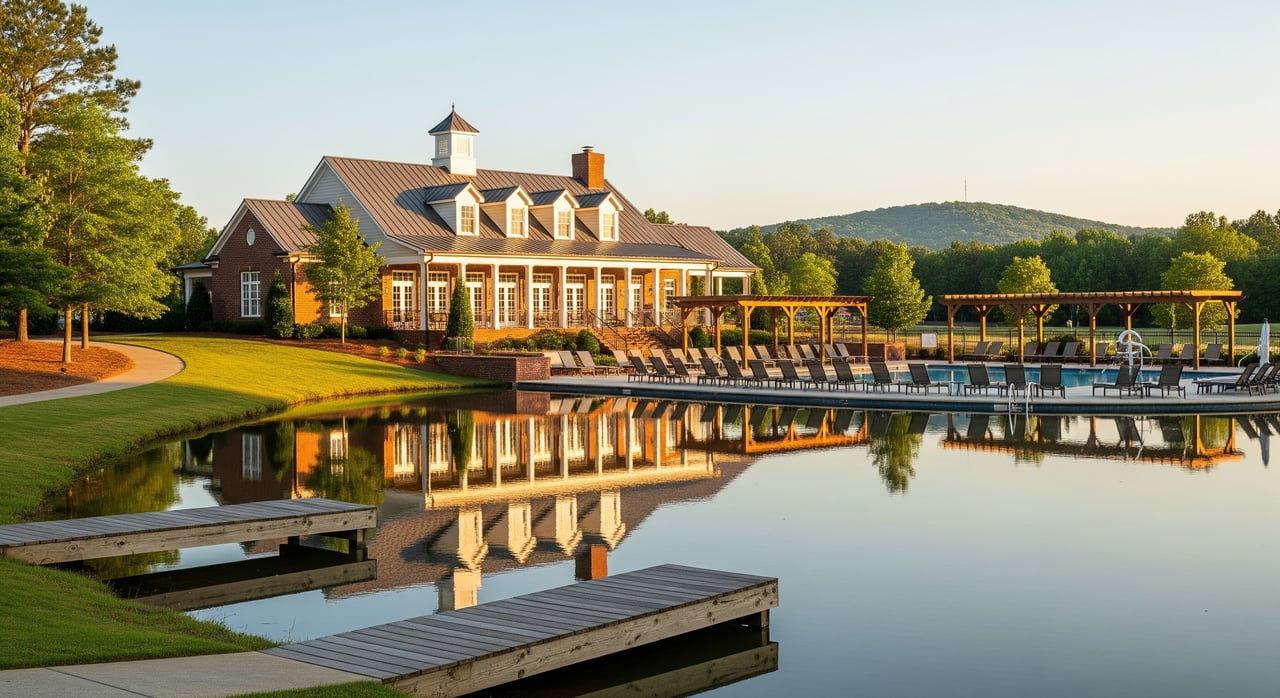
Thinking about a gated neighborhood in Trussville where you can fish a lake in the morning and relax by the pool in the afternoon? Carrington Lakes is often at the top of the list for buyers who want amenities, security, and a well-kept community feel. You also want clarity on HOA dues, rules, and what life really looks like behind the gates. In this guide, you will learn what to expect from the HOA and amenities, what to verify before you write an offer, and how to tour the neighborhood like a pro. Let’s dive in.
Carrington Lakes amenities overview
Amenity-rich, gated communities in the Trussville area commonly include features that support an active, social lifestyle. While specific offerings and rules can change, you will often find:
- Gated entry with controlled access for residents and guests.
- Multiple lakes or ponds with maintained shorelines.
- Walking trails, sidewalks, and greenways through common areas.
- A community clubhouse or event space available for resident use or rental.
- Outdoor pool areas, with deck and cabana seating. Some communities also offer indoor pools.
- Playgrounds and picnic spots for casual gatherings.
- Athletic courts such as tennis and pickleball, and sometimes a small fitness room.
- Managed landscaping, neighborhood signage, and private street lighting.
- Professional maintenance of common spaces, including ponds and fountains.
These features can enhance your day-to-day life, reduce personal upkeep, and improve long-term resale appeal. Always verify the current amenity list, hours, and guest policies through the HOA or the listing agent before relying on any specific feature.
HOA fees basics and what they cover
Gated, amenity-focused neighborhoods usually carry higher dues than communities without common facilities. Fees may be billed monthly or annually, and some associations charge one-time transfer or capital contribution fees at closing.
Here is what HOA dues in amenity-rich communities often cover:
- Landscaping and grounds: mowing, irrigation, seasonal color, tree trimming.
- Pool and clubhouse: cleaning, supplies, repairs, and any staffing needs.
- Lake and pond care: fountain and aeration systems, shoreline work, weed control.
- Gate operations: access systems, repairs, software, electricity.
- Common-area insurance: liability and property coverage for shared facilities.
- Management and admin: accounting, mailings, vendor oversight.
- Utilities: lighting, water, and power for common spaces.
- Reserves: funds set aside for big-ticket future projects.
Typical exclusions include exterior maintenance of individual homes, your personal homeowner’s insurance, and repairs to private driveways or roofs. Trash service may be municipal or handled by the HOA, so confirm how it is billed at your address.
A key area to ask about is reserves and special assessments. Amenities like gates, pools, and lakes come with predictable operating costs and periodic major projects. If reserve funds are low, the HOA might levy a special assessment to cover large repairs. Ask for the reserve study and the current reserve balance to understand the long-term plan.
Buyer due diligence that protects you
Your lender and closing attorney may require an estoppel or resale certificate, and you should also review core association records to avoid surprises. Request these items early in the process.
Documents to request
- Current budget and the most recent financial statements.
- Year-to-date balance sheet and reserve fund balance.
- Reserve study, if available, and a list of recent capital projects.
- CC&Rs (Declaration), bylaws, rules and regulations, and architectural guidelines.
- HOA and board meeting minutes for the last 6 to 12 months.
- Current assessment amount, billing schedule, and date of last increase.
- Any recorded liens, pending litigation, or legal actions involving the HOA.
- Insurance declarations for the association’s policy and what it covers.
- Estoppel or resale certificate showing dues status and any transfer fees.
- A summary of community rules that affect owners, including rental and parking policies.
Questions to ask the HOA or listing agent
- When were dues last increased, and are increases planned this year?
- Are any special assessments approved or proposed?
- Is there a reserve study, and when was it last updated?
- What are the clubhouse and pool hours, and what are the guest rules?
- How is gate access handled for visitors, contractors, and deliveries?
- Who maintains the private streets, and what is their current condition?
- Are rentals permitted, and are there short-term restrictions or registrations?
- Any active or recent litigation or insurance claims?
- Is there a social committee and a regular calendar of events?
- How does the architectural review process work, and what is the typical timeline?
Being thorough now can save you time, money, and stress later. Make sure you have time in your contract to review these documents and ask follow-up questions.
Your on-site tour checklist
Use this quick checklist when you tour Carrington Lakes so you can see how the neighborhood operates day to day.
- Gate function: Does it open and close smoothly, with clear visitor instructions? Any signs of damage or recent repairs?
- Lakes and ponds: Check water clarity, shoreline condition, and whether fountains or aerators are running.
- Pool and clubhouse: Look for clear water, clean decks, secure fencing, posted hours, and reservation rules.
- Courts and playgrounds: Note surface wear, cracks, and equipment condition.
- Landscaping: Are lawns trimmed, beds mulched, and irrigation functioning?
- Cleanliness: Look for litter, graffiti, or overflowing bins in common areas.
- Streets and lighting: Scan for potholes, edge deterioration, and burned-out lights.
- Home exteriors: A consistent level of upkeep can indicate stable enforcement and financial health.
- Community communications: Bulletin boards, event posters, or meeting notices suggest active governance.
- Resident activity: Notice walkers, cyclists, and general use of amenities at typical times.
Bring this list with you, and jot notes or snap photos so you can compare homes and sections of the neighborhood after the tour.
Local context for Trussville buyers
Trussville sits northeast of Birmingham with convenient access to the I-59 and I-459 corridors. Many buyers choose the area for its suburban setting and proximity to employment centers. Commute times vary by the time of day, so consider a test drive during your typical schedule.
Always confirm assigned schools by property address with the local district, since school zones can change. Verification ensures you have accurate information for your long-term plans.
Trussville spans both Jefferson County and parts of St. Clair County. Property tax rates, assessor records, and zoning can differ by parcel. Verify which county a specific homesite falls in, and check current tax data and any applicable exemptions.
If you are comparing Carrington Lakes to nearby subdivisions, look at HOA fees relative to the amenities offered, typical days on market, and recent sale prices for similar homes. Ask your agent for current market statistics so you can make an informed offer strategy.
Pros, cons, and red flags to watch
Understanding the trade-offs helps you decide if a gated, amenity-rich community is the right fit.
Pros buyers often value
- Turnkey lifestyle with amenities for recreation and social connection.
- Controlled entry for added privacy and a secure-feeling environment.
- Professionally maintained common areas that reduce personal upkeep.
- Broad appeal to future buyers who want similar amenities.
Cons and trade-offs
- HOA dues can be significant and may increase over time.
- Rules and architectural standards limit exterior changes and some uses.
- Special assessments are possible if reserves are not funded well.
- Gate and amenity operations add management complexity and cost.
Red flags to investigate further
- No reserve study, low reserves, or a pattern of special assessments.
- Visible deferred maintenance on gates, pools, lakes, or streets.
- Ongoing litigation or frequent legal notices in recent minutes.
- Rapid turnover of board members or management companies.
- Inconsistent or excessive rule enforcement documented in records.
How to move forward with confidence
Here is a simple plan to keep your purchase on track:
- Confirm the current amenity list, hours, and any user fees with the HOA or management company.
- Request the full resale or estoppel packet, including financials and rules, and build in time to review it.
- Tour the community using the checklist above and compare sections of the neighborhood.
- Review reserves, planned projects, and the history of dues and assessments.
- Align your offer and timeline with current market data for similar homes in Trussville.
Buying in a gated neighborhood is about more than a pretty entrance. It is about understanding the operating plan, the budget, and the day-to-day experience. With the right due diligence, you can enjoy the perks that drew you to Carrington Lakes and protect your investment.
If you want a local guide who knows Trussville, HOA norms, and how to negotiate strong outcomes, reach out to Billy Brodie. You will get clear answers, a focused plan, and a smooth path from first tour to closing.
FAQs
What amenities are typical in Carrington Lakes?
- Many gated Trussville communities offer lakes or ponds, trails, a clubhouse, a pool, playgrounds, and courts such as tennis or pickleball, but verify the current list and rules with the HOA.
How much are HOA dues in Carrington Lakes?
- Dues vary by year and scope of amenities, and may be billed monthly or annually, so ask the HOA or listing agent for the current amount, billing schedule, and any planned increases.
Are rentals allowed in Carrington Lakes?
- Rental rules are set by the community’s governing documents, so request the CC&Rs and any rental policies to confirm whether long-term or short-term rentals are permitted.
What do HOA fees usually cover in gated communities?
- Dues often cover common-area landscaping, pool and clubhouse upkeep, lake care, gate operations, insurance for shared spaces, management, and reserves, with trash service only if listed.
How do I verify school assignments for a Carrington Lakes address?
- Confirm assigned schools directly with the local school district using the specific property address, since attendance zones can change over time.
Who maintains the streets inside Carrington Lakes?
- Some gated communities have private streets that the HOA maintains, so verify street ownership and maintenance responsibility with the HOA and local records before buying.
