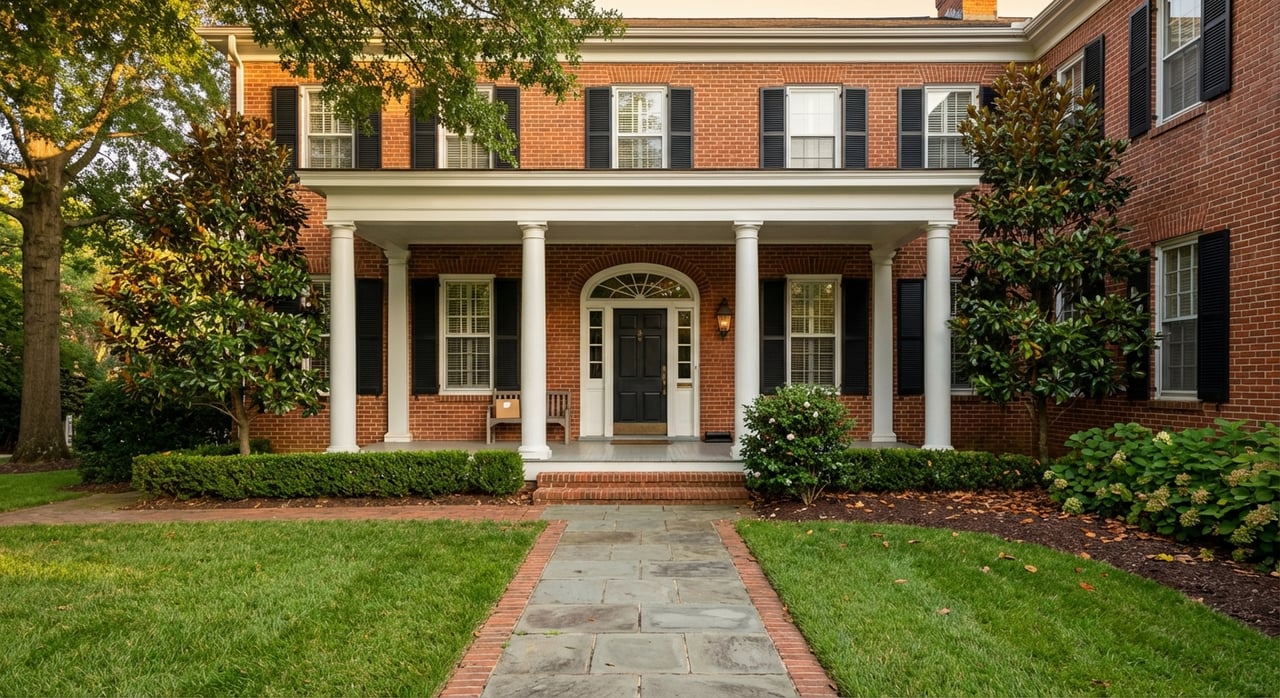
Picture this: you fall in love with a cozy 1930s cottage on a leafy street, original windows glowing and a classic porch welcoming you home. That’s the pull of Cahaba Homesteads in Trussville. The charm is real, and so are the details that come with owning in a historic district. In this guide, you’ll learn what gives these homes their character, which rules and reviews matter, what to inspect, and how to budget with confidence. Let’s dive in.
Why Cahaba Homesteads stands out
Cahaba Homestead Village, often called the Cahaba Project, was built in the mid to late 1930s as a New Deal garden-community. The district is listed on the National Register of Historic Places, which documents its significance, about 208 acres, and hundreds of contributing homes. You can read the district’s background in the National Register nomination.
Here’s what the listing means for you. National Register status recognizes importance and can open doors for certain programs, but it does not by itself control what you can change. In Trussville, design review and local zoning overlays are what shape exterior work. Before you assume what’s allowed, confirm requirements with the city’s Design Review Committee and verify whether your lot sits in the Cahaba Project overlay. The city’s Design Review information explains the process.
What “historic character” looks like
House types and curb appeal
You’ll see compact massed-plan cottages with Colonial Revival details, plus a few duplexes and later ranches. Many homes follow standard 1930s plans with solid craftsmanship. That consistency creates the neighborhood’s rhythm block by block, from rooflines to porches.
Roofs and exterior materials
Historic homes here commonly featured metal shingle roofs, side-gabled or hipped shapes, and relatively steep pitches, often around 10:12. Original exteriors include brick and wood siding. The city’s guidelines outline compatible roof forms and visible materials for street-facing sides. Review the Construction and Design Guidelines PDF before you plan any changes.
Windows and porches
Expect double-hung windows, frequently with six-over-six patterns, and small, human-scale porches with simple, square columns. Keeping proportions and materials in line with these features helps preserve the look that makes the district special. The guidelines also note expectations for railings, columns, and porch details.
Lots and site pattern
Many original lots are roughly one-third to one-half acre, designed for gardens and accessory buildings. Consistent setbacks, street alignment, and the central Mall are key features that frame daily life in the neighborhood. This site pattern is a big part of the district’s identity as recorded in the National Register nomination.
Common 1930s home issues to expect
Buying a 1930s home means planning for age-related updates. Set realistic expectations and budget for a few of these common items.
Roofing and ventilation
Many original roofs were metal shingle. Even if a past owner replaced materials, pay close attention to roof age, flashing, and attic ventilation. If you’re preserving the historic look, confirm what the city prefers for visible roof surfaces in the guidelines.
Foundations and drainage
Older foundations in brick or concrete can show settling or moisture signs in crawlspaces or basements. Poor grading or undersized gutters can push water toward the home. If you see cracks or movement, have a structural specialist evaluate scope and solutions.
Electrical capacity and safety
Some older homes still carry outdated wiring or undersized service. A detailed evaluation by a licensed electrician can flag safety issues and plan upgrades. A strong baseline is a general inspection by someone familiar with historic homes, as outlined by the American Society of Home Inspectors.
Plumbing lines
Galvanized iron or old soil lines can corrode or fail. Replacement with modern materials is common in homes of this era. Plan for selective or full replacement, especially if you want copper or PEX for supply lines.
HVAC and insulation
Upgrading to efficient HVAC and improving attic or wall insulation can boost comfort and reduce energy use. Work with pros who can protect historic finishes while adding ducts, returns, or air sealing.
Termites and wood-destroying organisms
Alabama’s climate supports subterranean termites, and some regions see aggressive species. Annual inspections and preventive treatment plans are common. Learn the basics from the Alabama Cooperative Extension’s guidance on termite risk and control.
Lead-based paint
Because these homes predate 1978, lead-based paint may be present. If you plan to disturb painted surfaces, contractors must follow the EPA’s RRP Rule. Consider a lead inspection or risk assessment and confirm your contractors are RRP-certified. Review the EPA’s overview of the RRP Rule requirements.
Asbestos in older materials
Old insulation, floor tiles, roofing felt, and some plasters can contain asbestos. Do not disturb suspect materials without testing. The EPA recommends trained professionals for testing and, if needed, abatement or encapsulation. See EPA guidance on asbestos in homes.
Moisture and mold
Hot, humid summers and regular rainfall can drive moisture issues if ventilation or drainage is lacking. Check attic and crawlspace ventilation, gutters and downspouts, and grading. Mold often points to underlying water problems that need correction, not just cleanup.
Sewer laterals
Older properties may have main-line issues like root intrusion or collapsing sections. A quick sewer-scope camera inspection can save you from costly surprises.
Smart inspection plan for Cahaba homes
A thorough inspection strategy helps you buy with eyes wide open. Start with a comprehensive home inspection, then add targeted specialists as needed.
- General home inspection. Hire a licensed inspector who regularly evaluates older homes. Expect a longer visit and more detailed reporting. The ASHI guidance on historic homes outlines what to look for.
- Structural or foundation evaluation. If your inspector flags movement, sagging, or large cracks, bring in a structural engineer for a repair scope.
- Pest and termite inspection. Given Alabama’s risk, request a written report plus treatment or retreatment recommendations.
- Lead-based paint inspection or risk assessment. Use an EPA-qualified provider and require RRP-certified contractors for any paint-disturbing work. See the EPA’s RRP overview.
- Asbestos testing. If materials are suspect, use a qualified professional. Follow the EPA’s asbestos safety guidance.
- Sewer-scope camera. This low-cost diagnostic can reveal blockages or line failures.
- Mechanical specialists. Order HVAC, electrical, roof, or chimney evaluations if the general inspection raises concerns.
- Additional environmental tests. Consider mold or radon testing if conditions warrant.
Pro tip: build extra time into your inspection window. Older homes often require multiple specialist visits and follow-up bids.
Permits, contractors, and budget
Licensing and verification
For Alabama projects, verify contractor licenses and insurance, especially for larger scopes. You can confirm residential licensing through the Alabama Home Builders Licensure Board. Ask for references and examples of similar historic work.
Design review and permits
Work that affects exterior appearance or building placement inside the district often goes before Trussville’s Design Review Committee. Read the city’s Design Review information and share the guidelines with any bidder so pricing reflects what the city will approve.
Bids, scope, and contingency
For major trades, collect at least three written, itemized bids. Clear scopes help you compare apples to apples and spot gaps. Expect specialists with historic experience to price higher but add value through fewer change orders. Add a 10 to 20 percent contingency for hidden conditions, especially if you suspect structural, lead, asbestos, or termite work.
Financing rehab work
If you plan to renovate soon after closing, explore FHA 203(k) financing, which can combine purchase and rehab into one loan. The HUD 203(k) program page explains Standard and Limited options and when a HUD consultant is required.
Quick buyer checklist
- Confirm your address is inside the Cahaba Homestead Village Historic District and whether it sits in the city’s overlay. Use the National Register nomination as a reference.
- Ask the seller for any preservation documents or past inspection, termite, or lead reports.
- Schedule a home inspection by an inspector familiar with older homes, then add specialists for lead, asbestos, sewer camera, and termites as needed.
- Verify permit and design-review needs with Trussville and download the Construction and Design Guidelines. Share them with bidders.
- Get three itemized bids from licensed, insured contractors and verify licensing with the HBLB. Budget a 10 to 20 percent contingency.
- If preserving period details matters to you, connect with the Cahaba Homestead Heritage Foundation for local context and materials guidance at cahabaheritage.org.
Bottom line
Buying in Cahaba Homesteads gives you a rare mix of 1930s design, generous lots, and a strong neighborhood identity. You’ll balance that charm with a bit more due diligence than a newer home, from design review to targeted inspections. With a clear plan, the right pros, and a realistic budget, you can protect the character you love and enjoy modern comfort.
If you’re ready to tour a Cahaba Homesteads home or want a second set of eyes on your plan, reach out to Billy Brodie. You’ll get local insight, a steady process, and clear next steps from offer to closing.
FAQs
What does National Register listing mean for Cahaba Homesteads homeowners?
- It recognizes the district’s historic significance and can support certain programs, but it does not alone control private changes. Trussville’s design review and overlay rules guide what exterior work is allowed.
Which exterior changes typically trigger review in Trussville’s district?
- Work that alters visible materials, roof forms, windows, porches, or building placement usually requires review. Always confirm with the city’s Design Review Committee before you start.
How should I plan inspections for a 1930s Cahaba home?
- Start with a general home inspection by someone experienced with older homes, then add specialists for structure, termites, lead, asbestos, sewer scope, and key systems as needed.
Are termites common in Trussville’s climate, and what should I do?
- Termites are a known risk in Alabama. Order a licensed termite inspection before closing and plan for annual monitoring or treatment if recommended.
How do lead paint and asbestos affect renovation plans?
- In pre-1978 homes, assume lead-based paint could be present and use RRP-certified contractors for paint-disturbing work. Test suspect materials for asbestos and use qualified pros for any abatement or encapsulation.
